
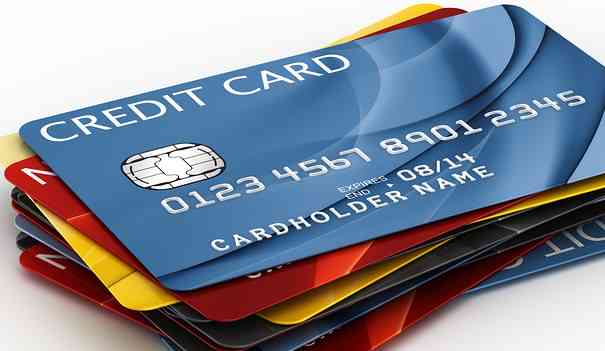
At a recent event, I was speaking with a colleague who mentioned making an online purchase with a debit card. I was left speechless but then it dawned on me that not everyone knows why you should be using your credit card more frequently than a debit card.
In general, as a consumer, you have many more protections using your credit or charge card (there is a difference) than a debit card. If you should incur fraudulent charges on your credit or charge cards, you are only liable for a maximum of $50 charged (so long as you report the fraudulent charges). The same is not true with a debit card.
You incur fraudulent charges on your debit card, you are responsible for ALL charges if you don’t report it within 60 days of your statement. While you may think that you’d notice, not all fraudsters go for the big charges, they may bilk you out of $50 or $100 a month in which you may not notice. The good news is that if you have fraudulent charges on your debit card and report them within 2 days, you’re only responsible for $50. If you report them between 3 and 60 days, then you are at a loss of up to $500.
If you happen to lose your credit, charge, or debit cards, you are always right to report it to your banking institution right away to ensure the most protection. Many banks can send you a new card next day (some even same day). It is also recommended that you change your password for all of your bank accounts if you lose a card; you never know who has your data.
So when should you use your debit card? I would recommend only using your debit card if it doesn’t leave your hand – at the grocery store where you put the card in the reader or at the ATM machine. For the most part, you’re always better using a credit card other places. Online purchases should only be completed with credit cards due to federal protections. Never use a debit card at a gas pump as there could be a skimmer present. Never give a debit card to a server at a restaurant; they take your card to the back to run it (the exception is if you are in Canada or other countries which require transactions to be run table side).
The biggest question will then be which credit card to use. That will depend on your credit card perks and benefits, which are different from bank to bank and card to card. Most credit cards have protections greater than what federal law requires (some such as primary car rental insurance, travel delay protection, and lost bag protection). Just make sure you pay down your statement 🙂
If you really want to learn more about credit card protections, you can start with the Fair Credit Billing Act of 1986 (PDF here) or you can opt for an easier read at the Federal Trade Commission here.
 The Travels & Tips of Nurse Traveler